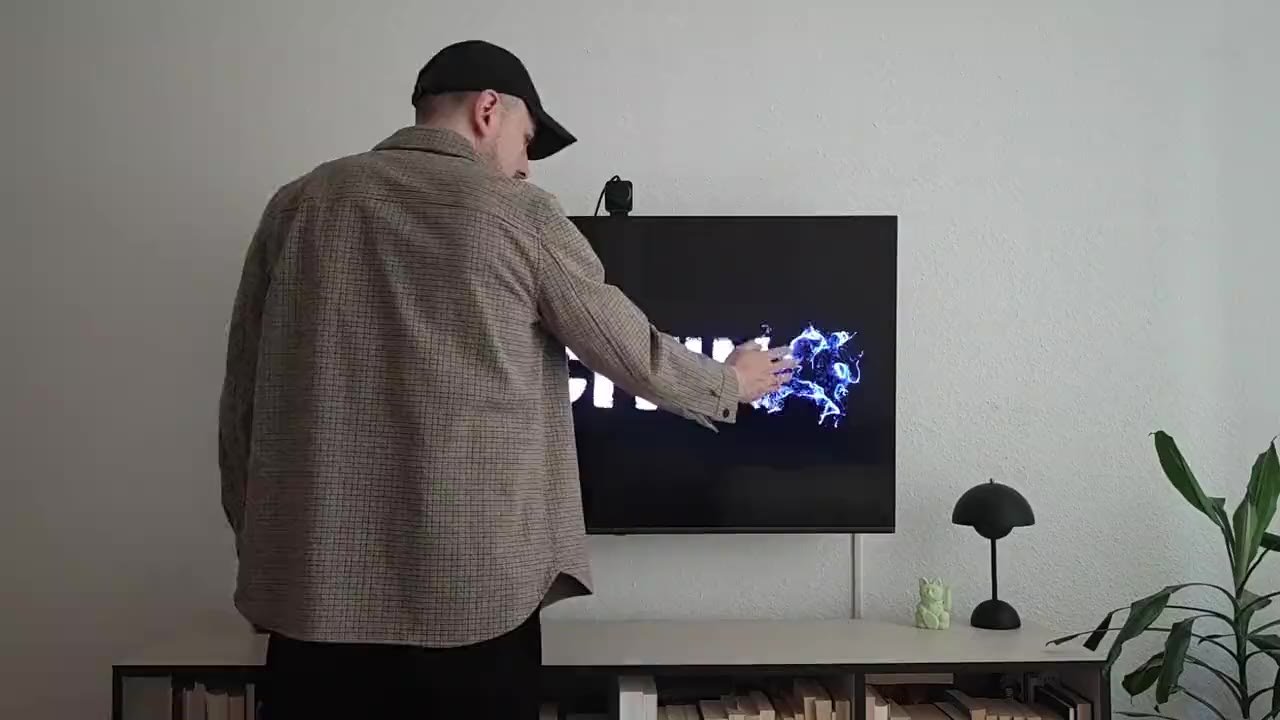
Sensory-driven installations for exhibitions, brand spaces and museums
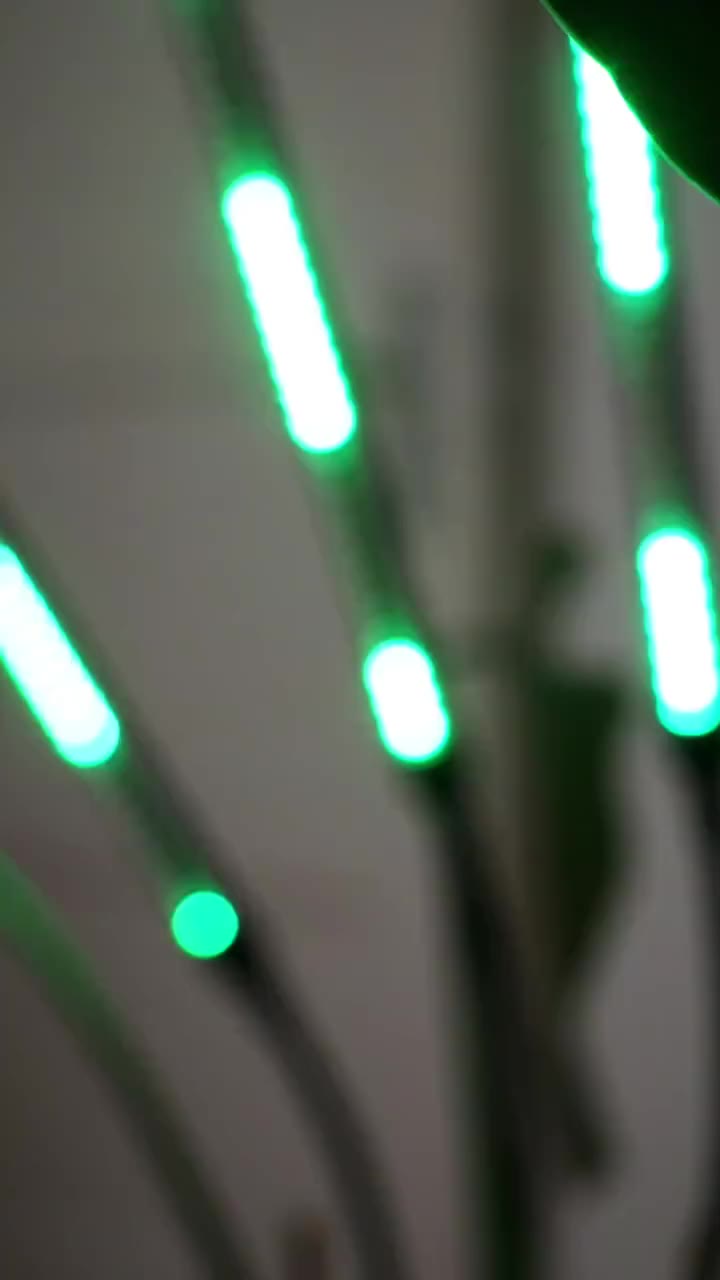
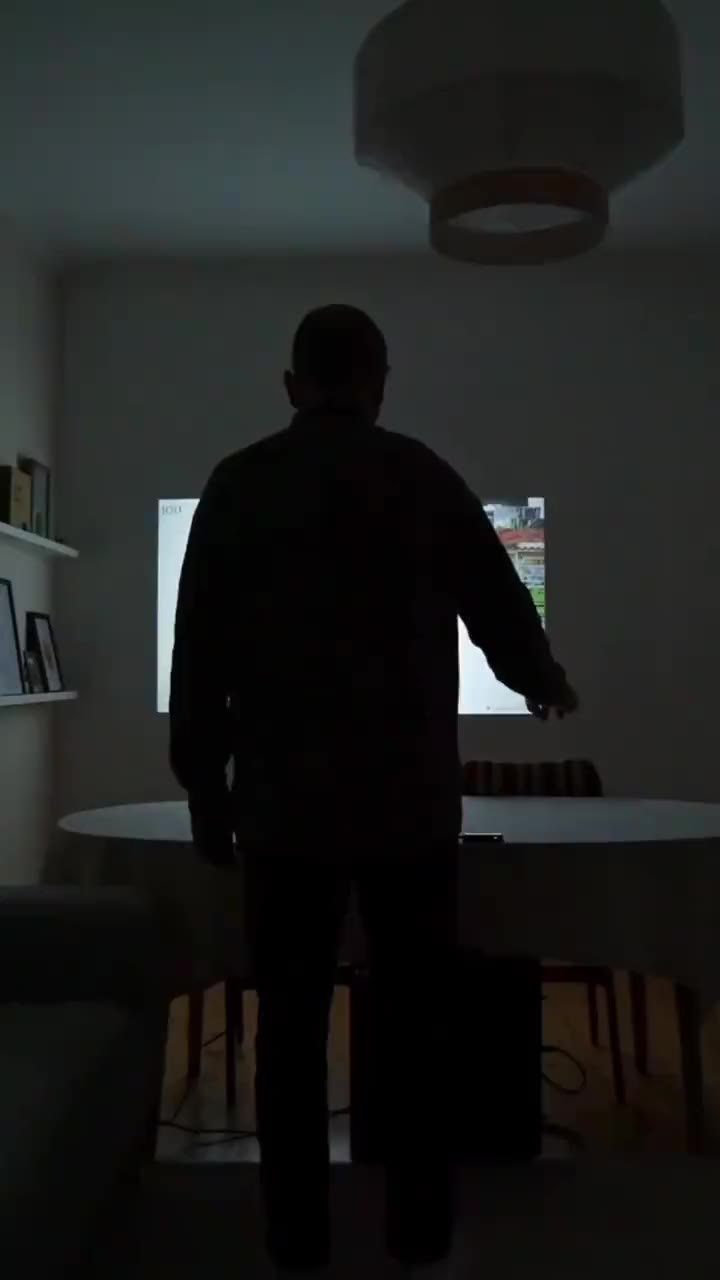
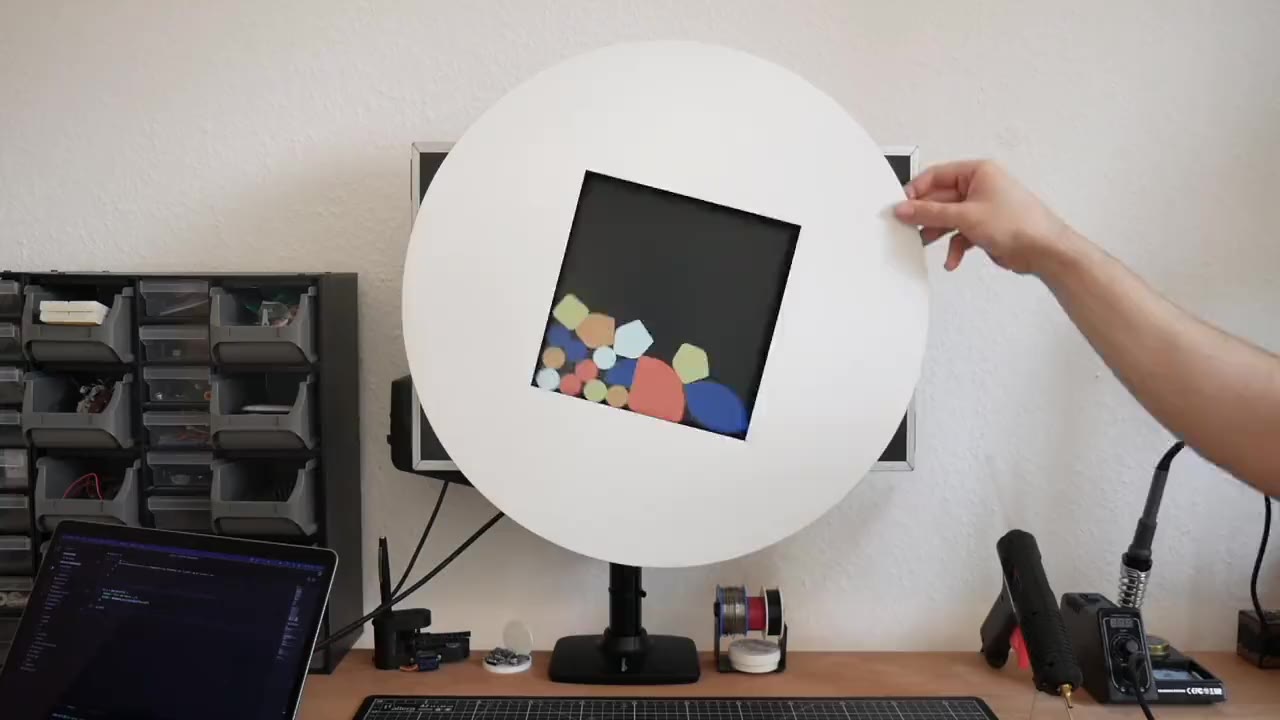
Ember is a live link to my lab in Hamburg. Every interaction you have with it is mirrored in real time on its physical twin.
In my work, I stay curious about culture, materials, light and the people in the room.
My name is Tom, and at heart I am a Creative Technologist. The title may be fairly new and still unfamiliar to many, but it describes the core of how I work and how I live, in between design, tech, meditation and mindfulness. For me, it was never a question of whether something is really possible. Rather, it is about approaching the task, the project, the obstacle or even life with the right mindset. A major part of this approach is communication and active listening. I love being communicative and I love listening to people tell me their point of view. With this density of information, I can approach my work even better, and sometimes I think communication is even more important than some hard skills themselves.
Asking the right questions, and a lot of them, is key for me before starting any project. Those questions shape the first prototypes, and the prototypes raise better questions. That loop is how an installation finds its form. Most of what I build starts in my lab in Hamburg. It is where I shape the visual appearance and design language, test hardware and sensors, and explore how different materials behave during interaction.
From research to on-site installation, every project adapts to its brief while drawing from one core process. Together we sharpen ideas until one stands out, then dial in form, function and execution.
Research & Development
Listening to your brief, your space and the people in it, then testing materials, sensors and hardware and building quick prototypes, so the concept is clear and proven before any bigger budget is spent.
Installations & Experiential Design
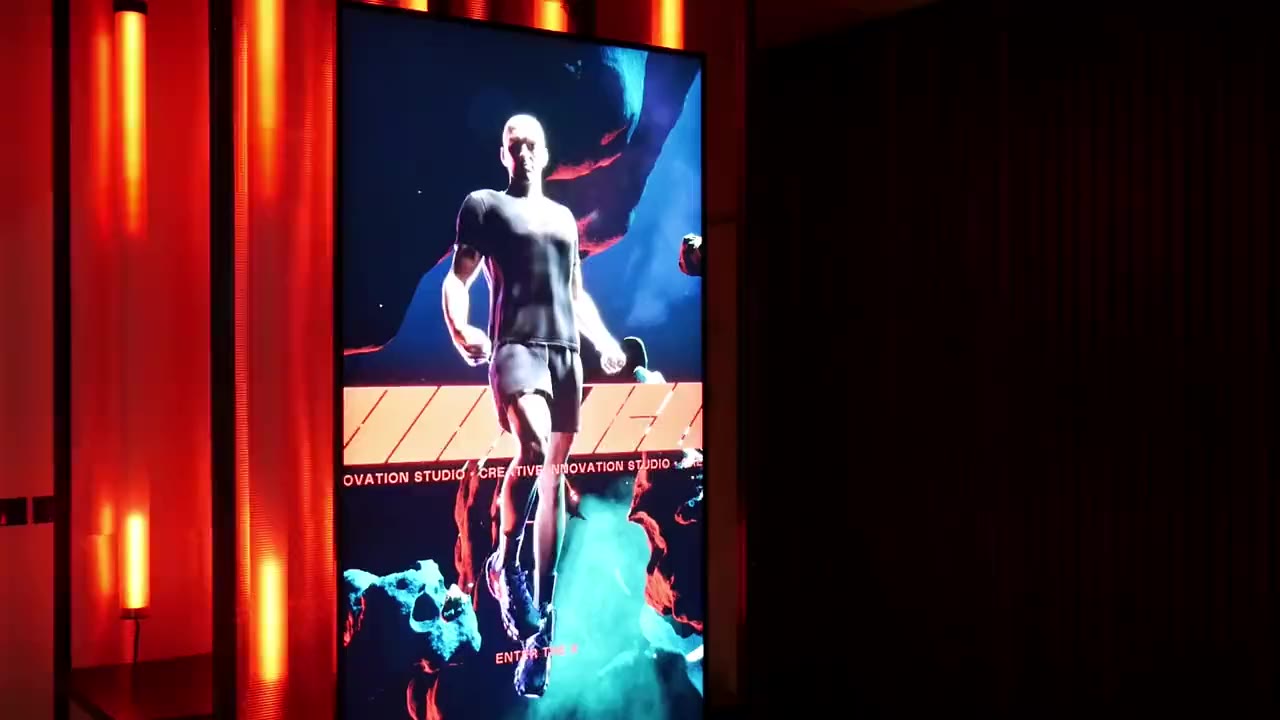
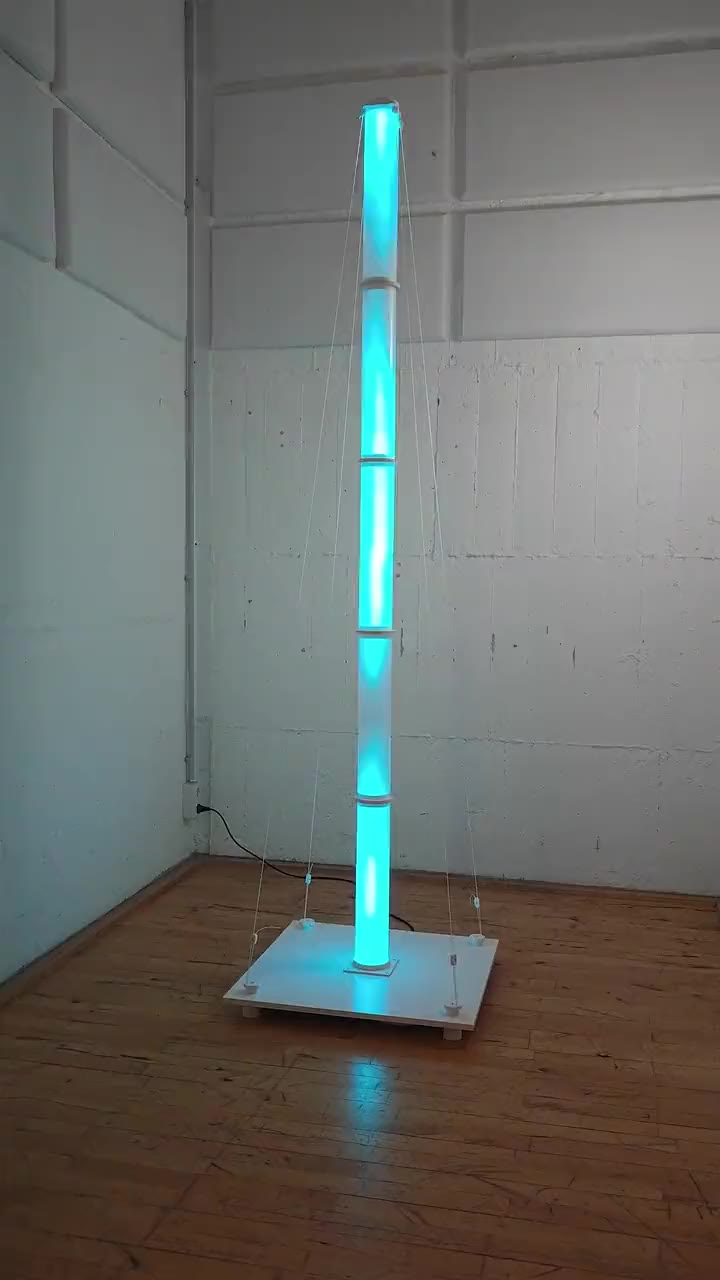
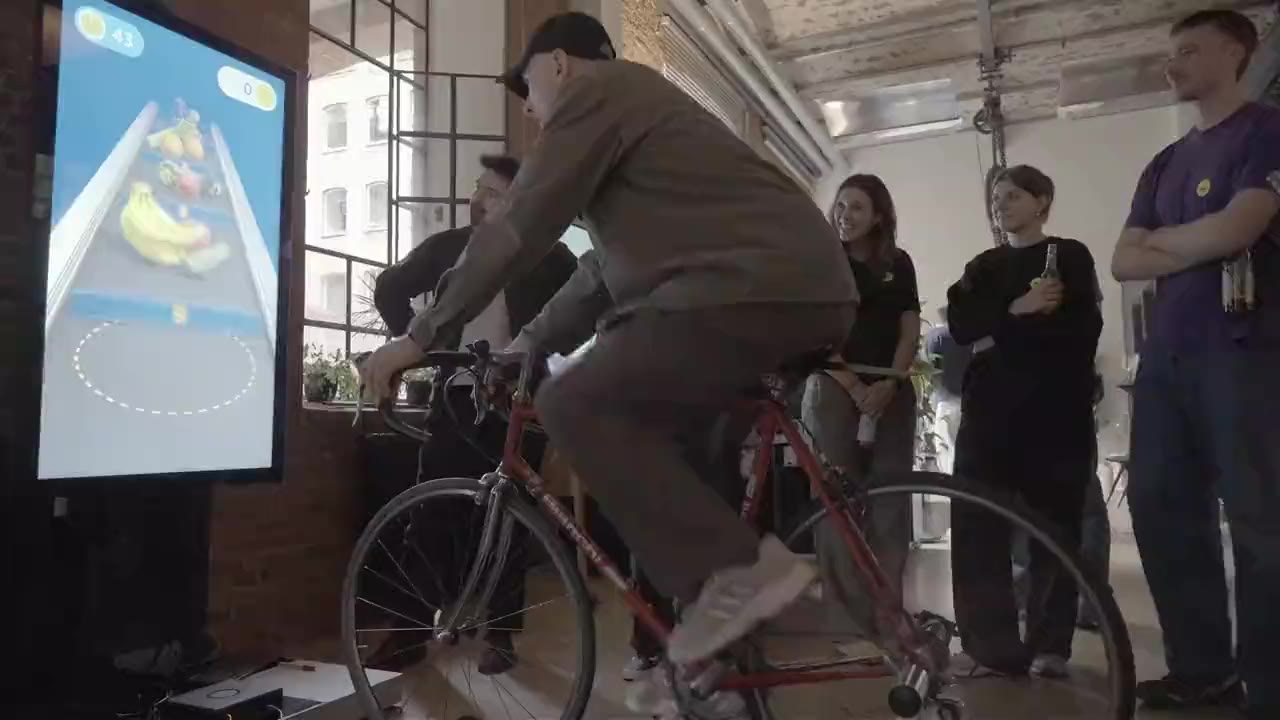
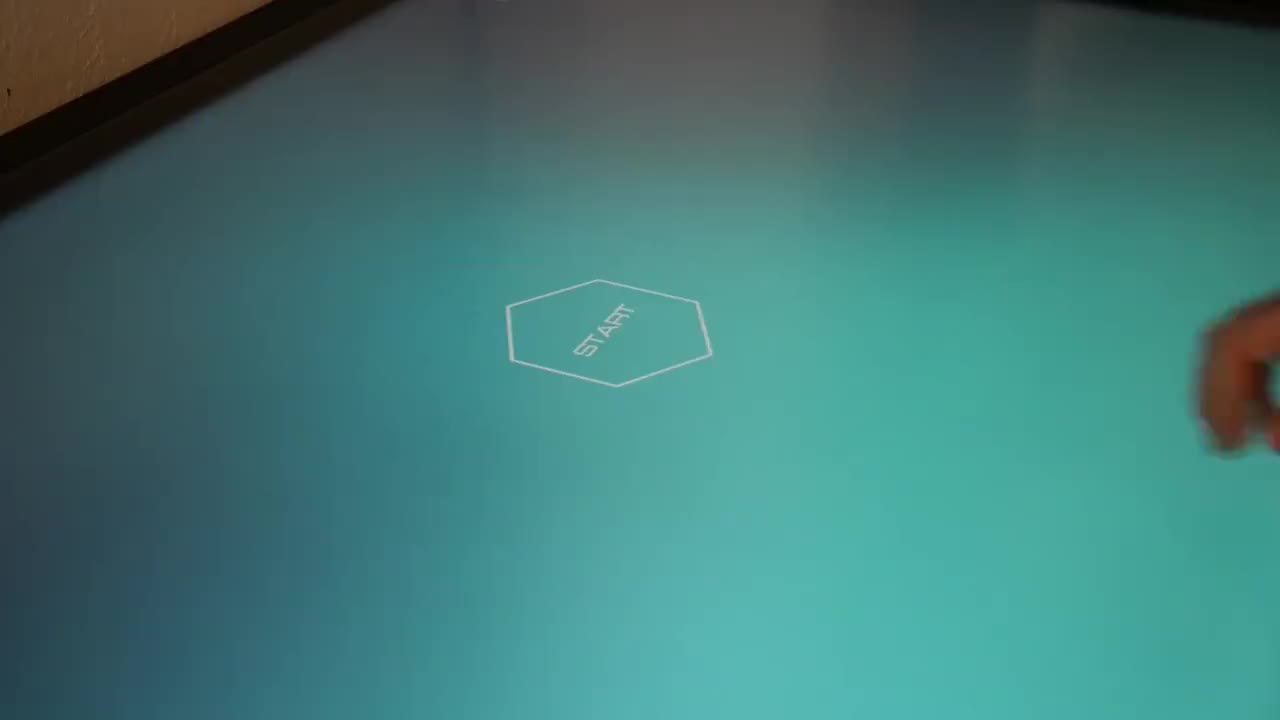
Light, sound, motion and touch in installations for exhibitions, brand spaces and museums that react to the people in the room. Designed around your space and the visitors' path, so they feel like they were always meant to be there.
Real-Time Content & Visual Design
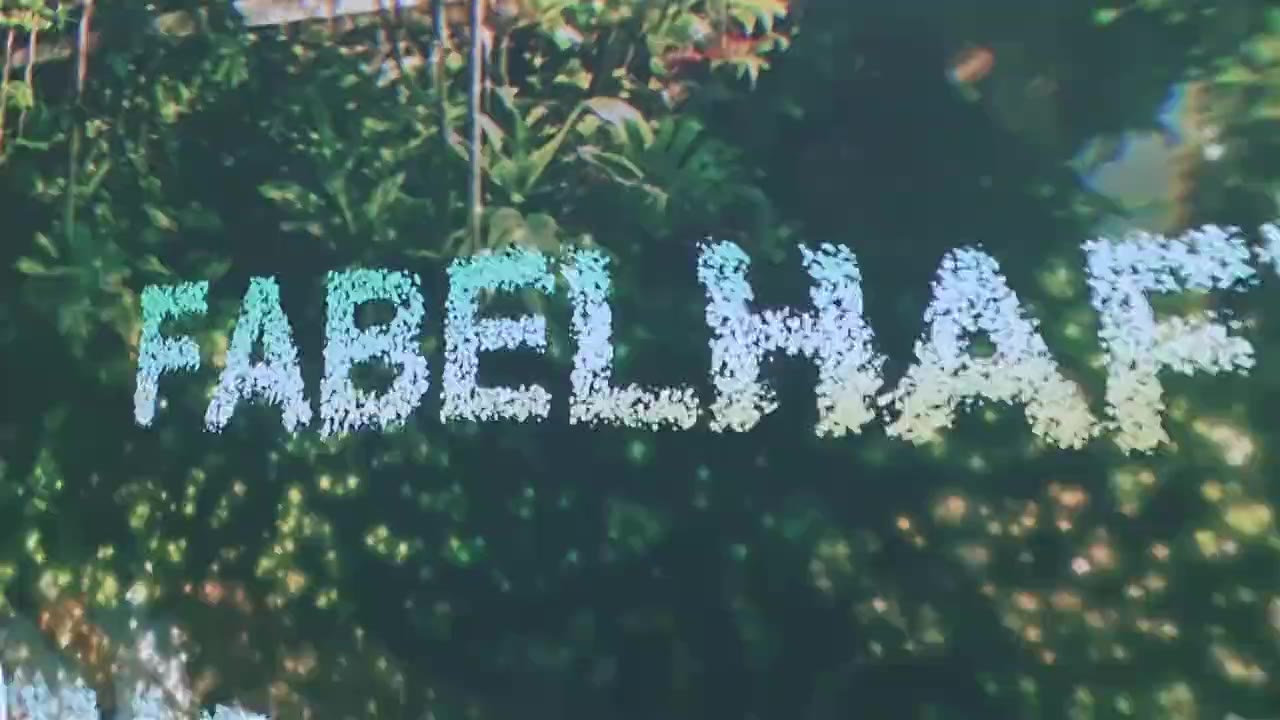
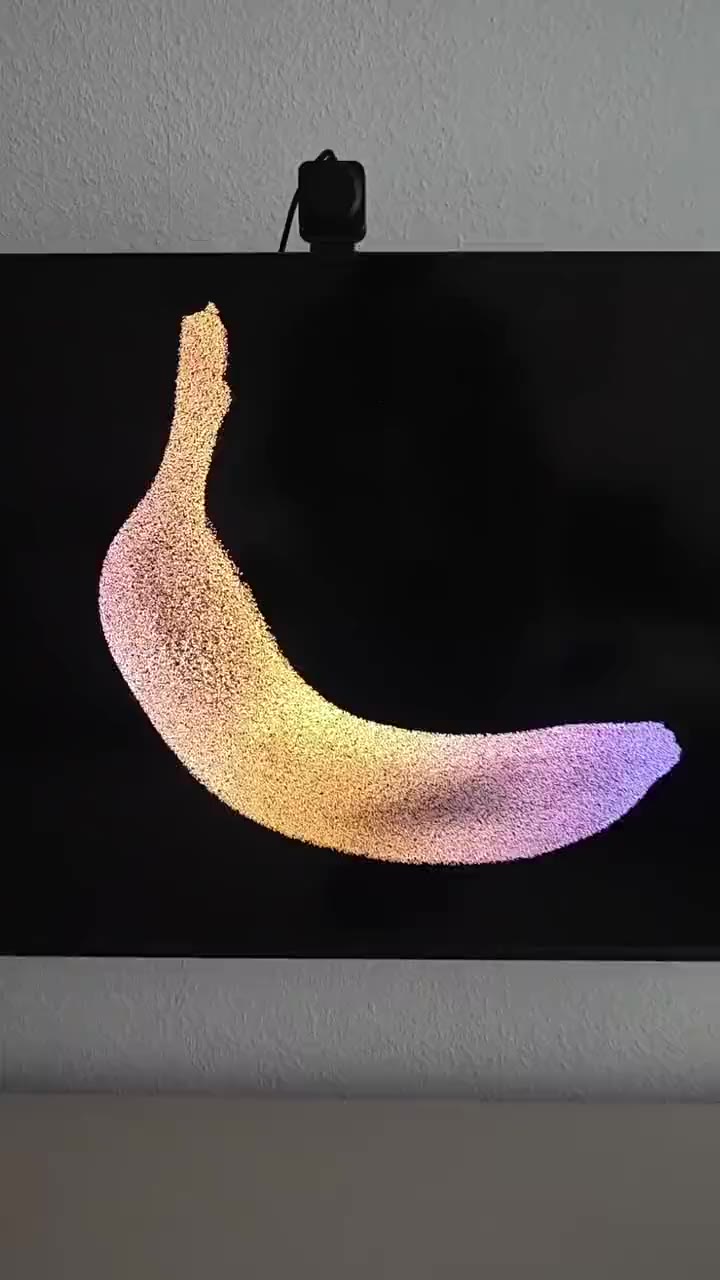
Content in real-time engines that responds to movement, sound and data, and generative visuals across physical and digital formats. I shape the visual language behind it, from the first look and feel to the final picture.
On-site Installation
Installing and calibrating every light, sensor and screen myself, then fine-tuning how they respond in the real space and stress-testing everything before it opens. After opening day I stay on hand, and your team gets clear guidelines to keep it running.
(FAQ) Questions I get asked the most
I build installations that people can touch, walk through and play with, for exhibitions, brand spaces and museums. That can be an early prototype, a conversation about which technology fits, the creative code, or the whole production.
I work on my own. When a project is bigger or the deadline is tight, I bring in partners and freelancers I know and trust, so every part of the work is in good hands.
That depends on how complex the installation is. A quick physical prototype or a consulting sprint takes 2 to 4 weeks. A full museum exhibit, custom hardware or a complex sensory installation usually takes 2 to 6 months, from the first concept to the final rollout.
You get a system that runs and has been tested hard: software, hardware and documentation. On top of that come layout plans for the setup, the source code and a maintenance guide, so your team can run the installation without me.
When a production or installation is clearly defined, I work with a fixed project price. For exploratory phases, early consulting or open-ended prototyping, I charge a weekly or daily rate.
Every installation is stress-tested before it opens. After launch I am available remotely, and on site during event days if needed. You also get clear guidelines, so it keeps running long after opening day.
Legal
Legal notice
Information according to § 5 DDG
Tom Janssens
Marienthaler Str. 158
20535 Hamburg
Germany
E-Mail: hello@tomjanssens.de
Phone: +49 178 1416921
VAT ID according to § 27a UStG: DE366374777
Responsible for the content according to § 18 (2) MStV:
Tom Janssens, address above.
I am neither willing nor obliged to take part in dispute resolution proceedings before a consumer arbitration board (§ 36 VSBG).
Disclaimer
This website is under ongoing development.
Privacy policy
This site only processes the technical data it needs to be shown and to run the LED matrix. It sets no cookies, has no tracking, no accounts and no forms. The only thing stored in your browser comes from the bot check described below. Without the technical data of a request, though, the site cannot be shown. There is no automated decision-making or profiling.
Who is responsible
The controller under the GDPR is Tom Janssens, address above, hello@tomjanssens.de.
Hosting
This website is hosted by Netlify, Inc., USA. When you open it, Netlify processes what every request carries: your IP address, the date and time, the page requested, the page you came from, and your browser and operating system. It does so on my behalf, under a data processing agreement (Art. 28 GDPR), to deliver the site and keep it secure (Art. 6 (1) (f) GDPR). Netlify, Inc. (101 2nd Street, San Francisco, CA 94105, USA) is certified under the EU-U.S. Data Privacy Framework, so the data may go to the USA on the basis of the European Commission's adequacy decision (Art. 45 GDPR); Netlify also uses the EU standard contractual clauses (Art. 46 (2) (c) GDPR). More in Netlify's privacy policy.
The LED matrix
Once you open Ember (the LED matrix, below simply "the matrix"), your browser keeps a connection, for as long as the page stays open, to a server I run at STRATO GmbH, Berlin, in a data centre in Germany, which mirrors the matrix. Only the position of your cursor or finger is sent, while it is on the matrix — no text, no images, nothing about you. What you draw lights up live on the physical twin in my lab in Hamburg and on the matrix of other visitors who have the page open, without anything that identifies you. The server holds your IP address only in memory — while you are connected and up to ten minutes after you last drew, or, should your connection draw for a minute without a break or for more than five of ten minutes, for an hour after — to limit the number of connections per visitor and to stop scripts that draw on and on. It does not store it (Art. 6 (1) (f) GDPR). STRATO runs the server on my behalf, under a data processing agreement (Art. 28 GDPR).
Bot check
So that only people, not scripts, can draw on the matrix, your browser is checked by Cloudflare Turnstile each time it connects — invisibly, with no puzzle and no checkbox. For this, your browser loads a script from Cloudflare, Inc. (101 Townsend St, San Francisco, CA 94107, USA), which processes your IP address and technical information about your browser and device, keeps one entry in the browser storage of its own frame (no cookie), and tells my server only whether the check was passed. This keeps the matrix free of abuse (Art. 6 (1) (f) GDPR). Cloudflare is certified under the EU-U.S. Data Privacy Framework (Art. 45 GDPR). More in Cloudflare's privacy policy and its Turnstile Privacy Addendum.
Drawings
What you draw on the matrix is kept for an artistic visualisation of how it is used: only when it was drawn and how bright each LED was, moment by moment. It is stored without your IP address or anything else that could identify you, so it can't be traced back to you. The server above keeps it; once a night it is turned into images on GitHub's servers (GitHub, Inc., USA), which I store in my webspace at STRATO in Germany.
Server logs
To keep that server secure and running, it records technical errors, such as connections that break off. Such a record can include the IP address and the time; it is used for nothing else and deleted after seven days at the latest (Art. 6 (1) (f) GDPR).
If you write to me, I use your address and what you write only to answer you (Art. 6 (1) (b) GDPR where it is about working together, otherwise Art. 6 (1) (f) GDPR). My mailbox is hosted by STRATO GmbH, Berlin, under a data processing agreement (Art. 28 GDPR). I delete the e-mails once they are no longer needed, unless the law requires me to keep them (e.g. business letters, § 147 AO).
Fonts and media
Fonts, images and videos come from this website itself; none of them is loaded from a third party.
Links
Links to LinkedIn, Instagram, GitHub, Figma or other sites only lead there; nothing of theirs is loaded until you click. Their privacy policies apply there.
Your rights
You can ask for access to your data (Art. 15 GDPR), its correction (Art. 16), deletion (Art. 17) or restricted processing (Art. 18), and take it with you (Art. 20). Where processing rests on Art. 6 (1) (f) GDPR, you can object to it on grounds relating to your particular situation (Art. 21). An e-mail is enough. You may also complain to a supervisory authority, e.g. the Hamburg Commissioner for Data Protection and Freedom of Information.
As of November 2026.
- ROCANI Tower
- ICONIC ICONS
- THOR
- Frische Sprint
- Interactive Typography
- HYDRA
- MATA Energy
- Particle 🍌
- OSB
- R — A ring-based interface